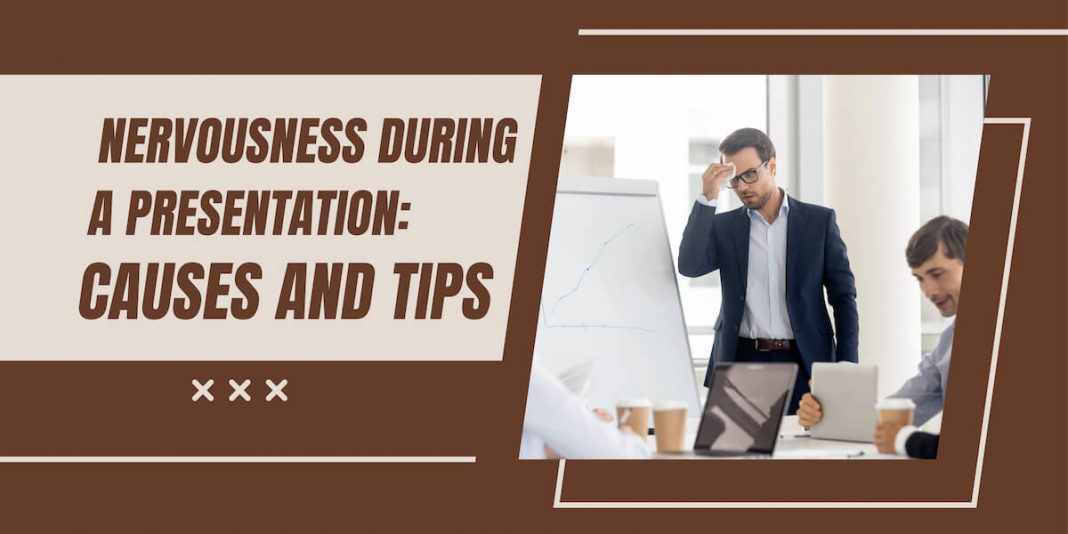
Do you have to deliver a presentation, but the daunting feeling of getting on the stage haunts you? Do you also feel a pit in your stomach the moment you think of your next encounter with an audience? Well, you are not alone. Being nervous before a presentation is extremely common. Be it beginners or seasoned presenters, most of them face nervousness and anxiety before the big day.
In this article, we will talk about the reasons why you get nervous during a presentation and tips to combat it. Let’s go!
Reasons Why You Get Nervous During a Presentation
1. Being Unprepared
Unpreparedness is one of the most significant causes of nervousness during a presentation.
When you do not prepare well, you feel uncertain and unconfident. You feel insecure about your content and fear what would happen if anybody asks questions you are not ready for. Thus, this leads to stammering and jittering on stage.
2. Fearing the Unknown
When you overthink your presentation, you may be worried about the unknown. You might end up thinking about the ‘what ifs’ and becoming nervous. It includes questions such as: What if the audience does not like you, the technology fails, the power cuts off, etc.?
While being afraid of uncertain situations is common, you should not let it get into your head. Practice deep breathing or other mindfulness techniques to avoid unwanted thoughts. It will help you overcome the fear and conquer the stage.
3. Stage Fright
Stage fright is the most common fear. Being afraid of the stage inevitably makes you anxious and frightful.
Do you know that even famous leaders such as Mahatma Gandhi and Winston Churchill faced stage fright? However, this did not stop them from making an impact with their words, and neither should it hamper you!
4. Fear of Judgement
We all think of how people perceive us. Being a presenter, you might fear your audience’s judgment- would they like your presentation? Do they find you good enough? What if they judge you for the way you present?
Such questions can often drain your mind and sanity; thus, it is important to acknowledge that rather than fearing judgment, it is better to focus on performance.
5. Lack of Experience
Lack of experience in public speaking can significantly contribute to presentation anxiety. When you have not presented frequently, you may feel unsure about your ability to engage the audience, manage time, or handle disruptions.
Gaining experience through practice and smaller speaking engagements can gradually build your confidence. You can start by presenting to smaller audiences, such as to colleagues, and then step up towards presenting in team meetings, conferences, and so on. By gradually upscaling, you can become more experienced and polished.
Tips to Not Get Nervous During a Presentation
a). Practice Visualization Techniques
Visualization techniques involve imagining the best possible situation. By mentally rehearsing a successful presentation, you prepare yourself for the best and trick your brain into believing it.
Start by imagining yourself speaking fluently, the audience getting engaged, your presentation fulfilling its goals, and everything done perfectly. By making your visualization as detailed as possible, you create higher vibrations and dwell on positive thoughts.
b). Prepare Well
Preparation is crucial for reducing presentation anxiety. When you thoroughly research your topic and know the content inside and out, you feel more confident and less likely to stumble. Preparation also makes sure you can face any questions and interrogations from the audience without fumbling, which enhances your credibility as a presenter.
Also, consider preparing your PowerPoint presentation early, as leaving it to the last minute will only increase your stress. You can use pre-designed and easily customizable presentation templates to get rid of the burden of creating each slide from scratch manually.
c). Rehearse Multiple Times
Rehearsals create muscle memory, ensuring your act remains synchronized and well-put together. When you rehearse, you carefully mend each of your mistakes and allow yourself to improve. It helps enormously on stage and assists greatly in eradicating nervousness.
To practice more, consider delivering your presentation before a small group of friends and family to boost your morale and self-esteem.
d). Avoid Filler Words
Filler words such as “umm” and “ahh” often cause you to be more nervous. Even if you forget some parts of your presentation, consider using pauses rather than stuttering over words. Filler words often creep in when you are thinking of what to say next, but they can undermine your authority and distract your audience.
You can also use notecards to remember all the key points.
e). Be Confident
Confidence is vital when it comes to public speaking. While nerves are natural, developing self-assurance can help you push through the anxiety. Confidence comes when you practice well and trust your skills. When you have faith in your abilities, it reflects on your gestures, posture, and body language.
To build more confidence, focus on your strengths and build skills that make you unique. Instead of dwelling on potential mistakes, shift your mindset to embrace the idea that you are capable of delivering a great presentation. This self-belief can go a long way in calming your nerves and ensuring a successful delivery.
f). Arrive Early
Consider a scenario – you have to deliver a presentation at a specific venue on a specific date. On the day, the audience reaches on time but you show up late. Won’t the waiting eyes of the audience make you nervous?
Arriving early will leave you with enough time to familiarize yourself with your surroundings and test the technology beforehand. You can also meet the organizers, other speakers, and some audience members before taking the stage.
g). Do Exercise and Avoid Caffeine
A brisk walk or meditation before the presentation helps you combat anxiety and keeps you relaxed and focused.
Also, avoid coffee or other caffeinated drinks before the presentation. Instead, drink a caffeine-free herbal tea, eat a protein-rich balanced diet, and stay hydrated.
Conclusion
Understanding the cause of your nervousness for a presentation is crucial to identify and implement the right strategic technique to overcome it. We hope the tips in this article help you with your presentation endeavors!